12.16C Vancouver 12.16C Vancouver
Apr 7, 2026 2:05 PM - Connect Newsroom - Ramandeep Kaur with files from The Canadian Press
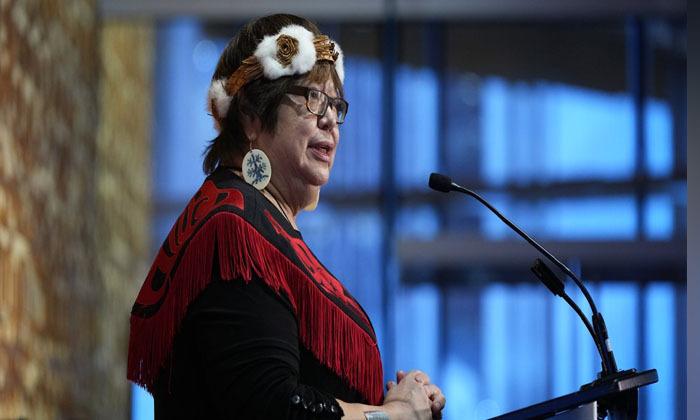
A First Nations leader in British Columbia says the provincial government’s plan to suspend parts of the Declaration on the Rights of Indigenous Peoples Act could increase legal uncertainty and affect reconciliation efforts.
Judith Sayers, president of the Nuu-chah-nulth Tribal Council, said the proposed three-year suspension outlined by Premier David Eby may leave key legal questions unresolved, particularly if there is a change in government before the period ends. She said it is also unclear whether courts will have ruled on two major cases currently under appeal during that time.
According to reporting by The Canadian Press, the legislation, commonly known as DRIPA, has been cited in two significant court cases involving land and mineral rights, placing the act at the centre of ongoing legal challenges facing the province. Eby has said the temporary suspension would allow time for the Supreme Court of Canada to consider a mineral rights case expected to reach the court.
Sayers said suspending sections of the law would have the same practical effect as amending it, and could prompt additional legal action from First Nations. She added that leaders are still reviewing their response to the proposal. “Suspending” the legislation, she said, does not reduce uncertainty and may instead invite further court challenges.
A leaked transcript of a meeting between Eby and First Nations leaders, obtained by The Canadian Press, indicates the government believes the mineral rights case could require broad changes across provincial laws to align with the United Nations declaration. The transcript says the province lacks the resources to implement those changes immediately and plans to introduce suspension legislation next week.
Sayers said any move to suspend parts of DRIPA without collaboration could conflict with the principles of free, prior and informed consent outlined in the United Nations declaration. She also said the move could affect British Columbia’s international reputation, noting the province was the first in Canada to adopt the legislation unanimously in 2019.