19.08C Vancouver 19.08C Vancouver
Jul 22, 2026 1:39 PM - Connect Newsroom - Ramandeep Kaur with files from The Canadian Press
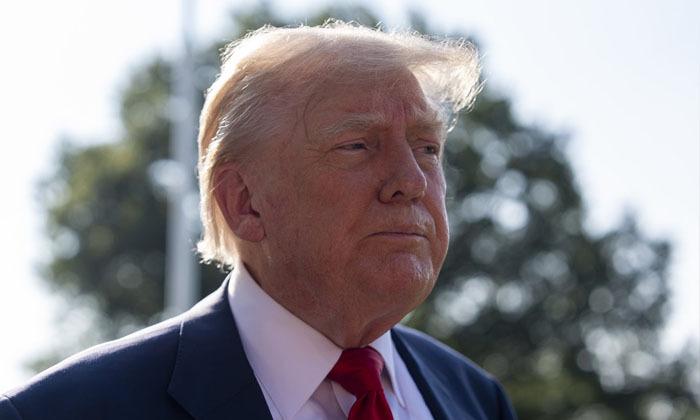
U.S. President Donald Trump's proposed 50 per cent tariffs on approximately $28 billion worth of Canadian exports could face legal challenges, although trade law experts say the administration's legal position appears stronger than in previous cases.
According to reports, the White House is relying on Section 338 of the Tariff Act of 1930 to impose the new duties. The provision authorizes the U.S. president to impose tariffs if another country's trade policies are deemed discriminatory toward the United States. Legal experts say the provision has not previously been used in this manner.
The White House alleges that Canadian policies affecting the dairy, alcohol and automotive sectors discriminate against U.S. businesses. Trade law specialists say that because Section 338 explicitly grants the president authority to respond to discriminatory trade practices, overturning the tariffs in court could prove difficult.
Reports indicate that any legal challenge is more likely to come from U.S. importers rather than the Canadian government. The proposed tariffs are expected to take effect on Aug. 19. Unlike previous measures, products covered under the Canada–United States–Mexico Agreement (CUSMA) would not be exempt.
If implemented, the tariffs would affect a wide range of Canadian exports, including electronics, furniture, Canadian whisky, textiles and wood products.